

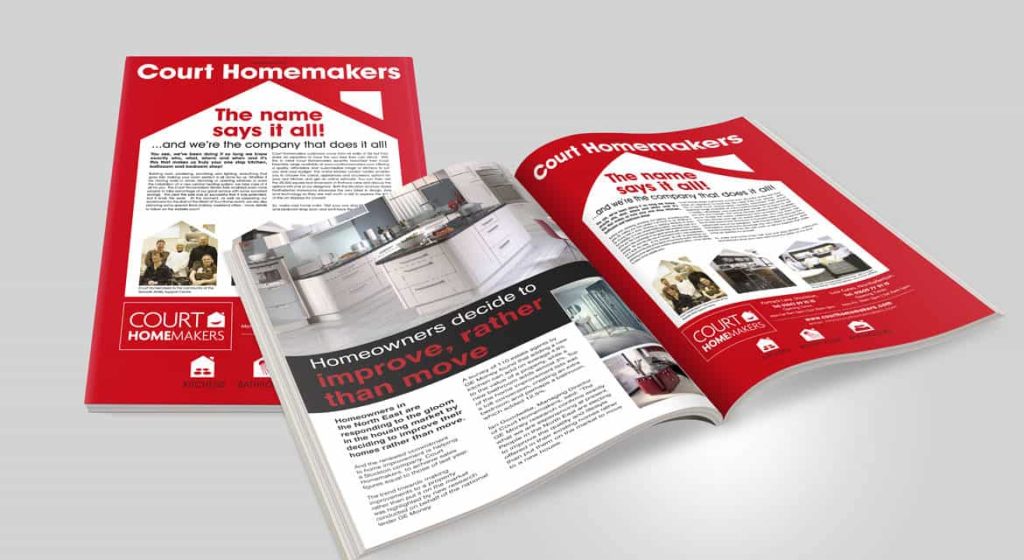
Magazine Advertisement
1. Brand: California Milk Processor Board – Got Milk? (Celebrity Milk Mustache Series)
Description and Appeal: The “Got Milk?” magazine campaign is a legendary example of Testimonial and Aspirational Appeal. Each ad depicts a high-profile celebrity, athlete, or fictional character (from Elton John to Serena Williams to The Simpsons) sporting a white “milk mustache.” The visual is always a vivid, high-resolution, full-page portrait.
The technique is Iconography and Association; by displaying cultural icons consuming a mundane product like milk, the ad strips away the “boring” health image of the beverage and replaces it with a “cool” factor. It evokes an emotional response of admiration and imitation, making the act of drinking milk feel like a shared ritual with the world’s most successful individuals.
Source: https://aef.com/classroom-resources/case-histories/got-milk/?
Objectives: The primary objective was to arrest the long-term decline of milk consumption in the United States. The campaign intended to move milk from being a “background ingredient” to a “top-of-mind” beverage choice. The objectives were measurable through national dairy sales data and attainable by shifting the focus from “health benefits” (which consumers already knew) to “usage occasions” (the dread of running out of milk when eating cookies or cereal). Success was monitored by a significant increase in consumer “mindshare” and the reversal of sales slumps in key regions.
Target Market: General Consumers (Ages 6–50). Because the campaign used a rotating roster of celebrities ranging from rock stars to sports heroes it was able to target specific demographics within various magazine titles (e.g., athletes in Sports Illustrated, musicians in Rolling Stone, and actors in People).
Action and Benefit: The ad wants the reader to ensure they have milk in the refrigerator at all times. The action is “Stockpiling.” The benefit to the audience is the avoidance of the “deprivation moment” the frustration of having sustenance (like brownies or cereal) but no milk to go with it. Additionally, there is the psychological benefit of feeling that drinking milk is a modern, stylish choice aligned with their favored idols.
Value Proposition: The Essential Companion. The value proposition is not just about calcium or bone health; it is that milk is the “perfect partner” for the foods people enjoy most. The specific urge to purchase is the “Fear of Deprivation” (scarcity) and the social validation of the “Milk Mustache” brand identity.
2. Brand: Dove – Campaign for Real Beauty
Description and Appeal: This historic campaign featured diverse women of all ages, sizes, and ethnicities standing confidently in basic white underwear against a stark white background. The appeal is Social Empowerment and Radical Honesty. The technique is Subversive Minimalism, which deliberately stripped away the “airbrushed glamour” typical of fashion magazines to disclose authentic humanity. By utilizing the high-impact, full-page spreads common in glossy magazines, it elicited an emotional response of liberation.
Source: https://embryo.com/blog/history-dove-real-beauty-campaign/
Objectives: The strategic objective was to transform Dove from a functional detergent product into a purpose-driven “Self-Esteem” brand. The aim was to build a deep, emotional bond with women that transcended price points. Success was quantifiably measurable through a 700% increase in sales of Dove products globally during the campaign’s apex.
Target Market: Women (Ages 18–65) who felt alienated or ignored by traditional beauty standards. It specifically targeted the “everyday consumer” who consumes lifestyle and fashion media but desires a more inclusive representation of reality.
Action and Benefit: The ad invites the reader to join the “Dove Self-Esteem Project” and choose Dove as a vote for “Real Beauty.” The benefit is a healthier self-image and the security of supporting a brand that validates the customer’s actual identity.
Value Proposition: Beauty as a Source of Confidence. The urge to purchase is the emotional desire to align with a brand that champions authenticity over impossible perfection.
3. Brand: IKEA – The Pregnancy Test Ad
Description and Appeal: Published in Amelia magazine, this ad for a crib featured a small segment at the bottom of the page that functioned as a functional pregnancy test. The ad invited women to “pee on this ad”; if the result was positive, a special discounted price for the “Sundvik” crib was disclosed in red ink. The appeal is Innovation and Surprise. The technique is Interactive Print Integration, where the physical medium of the magazine literally becomes a technical instrument.
Source: https://www.youtube.com/watch?v=Bxthg0cd5gI
Objectives: To promote sales for nursery furniture and reinforce IKEA’s image as a “Life Partner” for families. The objective was attainable through technical chemical engineering of the paper and measurable through the redemption of the unique “positive result” discounts in IKEA stores.
Target Market: Expectant Parents and couples contemplating a family. This targets a “High-Value” life stage where consumers are seeking reliable, affordable solutions for a significant household transition.
Action and Benefit: The ad asks the reader to physically interact with the page to disclose a deal. The benefit is a significant financial saving at a time of elevated personal expenditure and a memorable brand experience.
Value Proposition: Smart Solutions for Every Life Event. The impetus is the unique combination of technical ingenuity and the brand’s legendary affordability.
4. Brand: Rolex – Every Rolex Tells a Story
Description and Appeal: Rolex utilizes high-gloss, long-form “Advertorials” in publications such as The Economist or National Geographic, featuring achievers like filmmaker James Cameron. The appeal is Heritage, Achievement, and Durability. The technique is Testimonial Storytelling. Because magazine readers are often in a “lean-back” mode (relaxed and attentive), they are willing to engage with the dense, high-quality copy. It evokes veneration and a sense of legacy.
Source: https://www.youtube.com/watch?v=TQQmSPSZKvY
Objectives: To maintain the brand’s position as the ultimate symbol of excellence. The objective was long-term brand equity maintenance rather than immediate sales, ensuring the watch is perceived as an heirloom rather than just a timepiece.
Target Market: High-Net-Worth Individuals and “Aspirational Achievers.” These are readers who value tradition, precision craftsmanship, and products that retain value over decades.
Action and Benefit: The ad wants the audience to view a Rolex as a Legacy. The benefit is owning a piece of precision engineering that signifies a life of achievement and can be passed down to the next generation.
Value Proposition: The Ultimate Mark of Excellence. The urge to purchase is the product’s “indestructible” nature (feature) combined with the global prestige of the brand (benefit).
5. Brand: ALDI – Like Brands. Only Cheaper.
Description and Appeal: This campaign is a masterclass in Minimalist Visual Comparison. It displays a famous national brand next to the ALDI private-label equivalent, with only the names and prices visible. The appeal is Logical and Rational. The technique is Brutal Transparency; by overtly acknowledging their products are lookalikes, they remove the consumer’s “fear of the unknown.”
Source: https://www.youtube.com/watch?v=tR9arN2J8lk
Objectives: To shift the perception of ALDI from “low-cost” to “high-value.” The aim was to attract middle-class shoppers who are brand-loyal but price-sensitive. Success was measurable through enormous market share growth against traditional supermarkets.
Target Market: Household Decision Makers (Ages 30–60). Specifically, those who manage a family budget and are searching for ways to reduce costs without compromising on quality.
Action and Benefit: The ad wants the reader to make the transition for their weekly shop. The benefit is a 30% reduction in grocery expenditure with no perceived drop in lifestyle quality.
Value Proposition: Uncompromising Value. The specific motivation is the realization that brand names are an unnecessary “tax” on the consumer.