

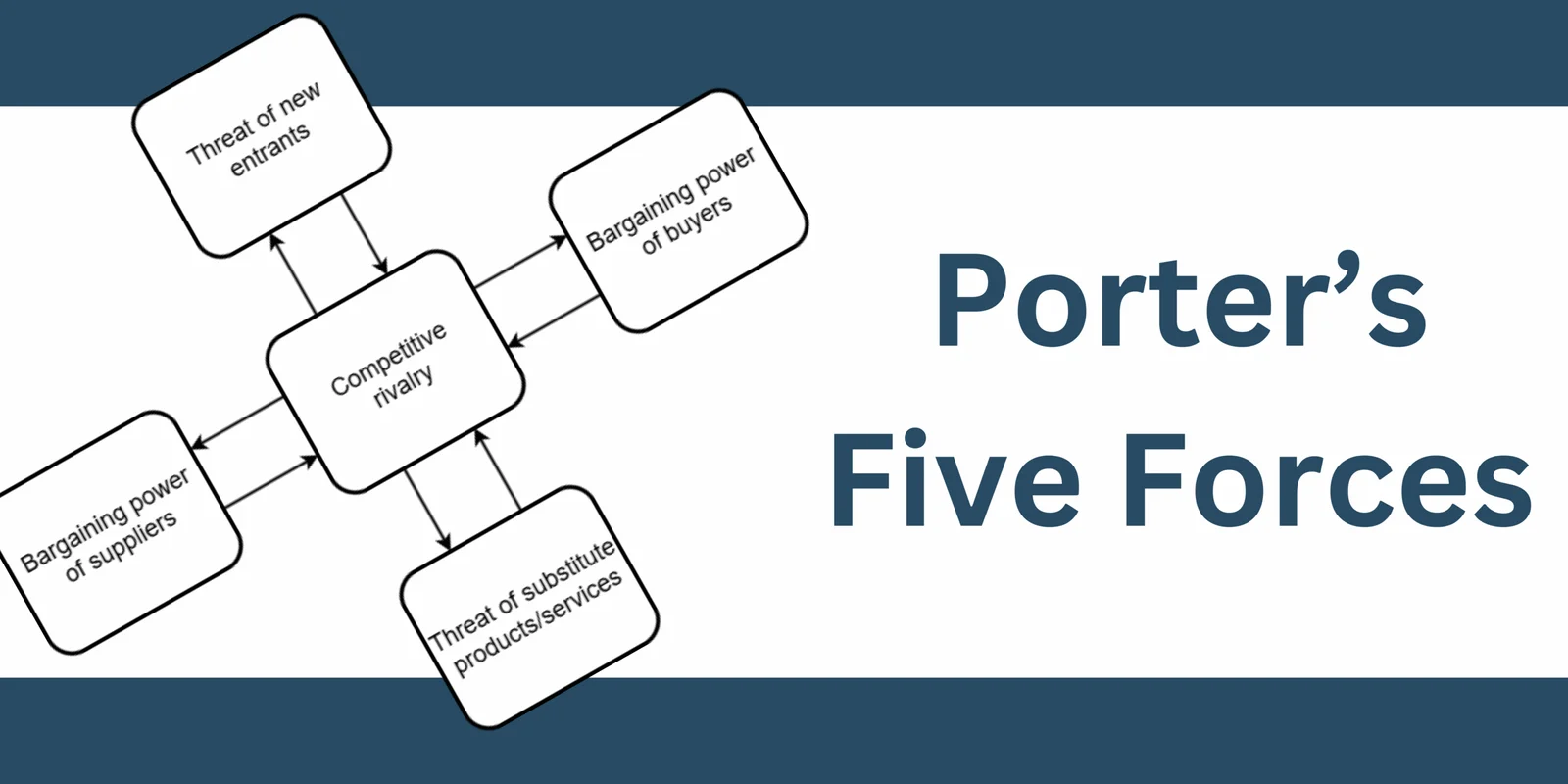
COMPREHENSIVE INDUSTRY STRUCTURAL AUDIT — PORTER’S FIVE FORCES
THREAT OF NEW ENTRANTS: BARRIERS TO ENTRY AND STRATEGIC RETALIATION
The threat of entry places a cap on the profit potential of an industry by forcing incumbents to keep prices low or boost investment to deter newcomers. For Omnimart Solutions, the barrier to entry is not solely the physical presence of a storefront but the high supply-side economies of scale associated with its integrated retail technology. New entrants face a significant cost disadvantage because OMS spreads the fixed costs of its proprietary inventory software and automated checkout systems over a high volume of transactions.
Furthermore, demand-side benefits of scale, also known as network effects, act as a secondary barrier. As more customers join the OMS loyalty ecosystem, the predictive accuracy of the smart stock engine improves, creating a personalized purchasing experience that a newcomer cannot replicate on day one.
The capital requirements for accessing this high-tech retail space are prohibitive, involving unrecoverable expenditures in specialized hardware and smart shelving infrastructure. Beyond these barriers, potential entrants must consider the expected retaliation from an incumbent like OMS, which possesses substantial resources in the form of customer data and established brand identity.
Unless a competitor enters with the financial clout to bypass these advantages, the threat of entry remains moderate, enabling OMs to maintain higher margins than traditional low-tech grocery stores.

BARGAINING POWER OF SUPPLIERS: TECHNICAL DEPENDENCY AND SOURCING LEVERAGE
powerful suppliers capture more of the value for themselves by charging higher prices or transferring costs to industry participants. OMS operates in a dual-layered supplier environment. On the technological front, the bargaining power of suppliers is considerable.
Because OMS depends on a limited group of providers for cloud computing and automated payment systems, these vendors offer differentiated products critical to store efficiency. Shifting these suppliers is difficult because OMS has invested significantly in integrated software, creating high switching costs that limit the store’s ability to play tech vendors off against one another.
However, in the FMCG and fresh produce category, the power balance shifts in favor of OMs. This supplier group is fragmented and lacks the credible threat of forward integration into the high-tech retail space. OMS mitigates supplier power by diversifying its procurement, ensuring it is not dependent on a single wholesaler. By utilizing real-time inventory data to monitor stock levels and demand,
OMS reduces its vulnerability to price hikes from any particular consumer goods brand. The strategic objective is to maintain a multi-vendor architecture in technology while leveraging its purchase volume to dominate grocery suppliers.
BARGAINING POWER OF BUYERS: PRICE SENSITIVITY AND THE DATA MOAT
The opposite side of supplier power is the bargaining power of customers. In the retail sector, buyers are traditionally dominant because products are standardized and switching costs are low. However, OMS structurally alters this power dynamic through information asymmetry and hyper-personalization.
While consumers remain inherently price sensitive, especially when grocery purchases represent a significant fraction of their monthly budget, OMS introduces customer switching costs that are psychological and convenience-based rather than purely financial.
Once a buyer has integrated their personal purchasing habits into the OMS app, the friction of moving to a competitor is high because they would lose their personalized pantry lists and data-driven rewards. By focusing on the time poverty of the urban professional, OMS transforms the basis of the buyer decision from price to convenience and quality of service.
This reduces the likelihood of consumers playing one store against another. Effectively, OMS uses its data ecosystem to create a walled garden, where the buyer’s willingness to pay increases with the level of frictionless service they receive, thereby neutralizing the traditional clout of the retail consumer.
THREAT OF SUBSTITUTE PRODUCTS: THE CEILING ON RETAIL PROFITABILITY
Substitutes limit an industry’s profit potential by establishing a ceiling on prices. Porter warns that substitutes can often appear very different from the industry product but perform the same function. For OMs, the threat of substitution is significant and multifaceted.
Indirect substitutes, such as meal kit services and prepared food delivery apps, perform the same primary function of feeding the consumer by various means. If a store does not distance itself from substitutes through product performance or marketing, it will suffer in terms of growth and profitability.
To defend against this, OMS must ensure its relative value remains superior by offering a broader range of zero-waste and fresh produce options that prepared meal substitutes cannot match. The threat is particularly intense in urban markets where consumers might opt for traditional open-air markets or discount warehouses.
OMS must use its price-performance trade-off, specifically the combination of high-quality fresh goods and frictionless automated checkout, to establish that the value of the in-store experience outweighs the lower prices of traditional substitutes. Coping with substitutes is a top strategic priority, as they establish the ultimate limit on retail pricing.
RIVALRY AMONG EXISTING COMPETITORS: THE BASIS OF COMPETITION
Rivalry is the most destructive force to profitability when it gravitates solely to price, as price cuts are readily matched and transfer profits directly to the customer. The retail industry is characterized by intense rivalry because competitors are numerous and often roughly equal in size.
Legacy giants are highly committed to the business and possess the resources to fight back through aggressive advertising and service enhancements. When industry development is slow, these rivals find it hard to avoid poaching business, leading to price wars.
To avoid this, OMS must ensure that the dimensions of competition transition away from price and toward technological innovation. By competing on the basis of its automated checkout and smart inventory management, OMS avoids the convergent competition of price battles.
However, the store must remain mindful of high exit barriers, such as its specialized hardware and supply chain assets. These barriers keep companies in the market even when they are earning low returns, which can contribute to excess capacity and suppressed profitability for the entire industry.
The aim for OMS is to be the leader that sets the standards for tech-driven convenience, forcing rivals to compete on innovation rather than just price.
| Category | Intensity | Strategic Implementation For OMS |
| Threat of new entry | Moderate | Leverage supply-side scale to keep capital barriers high |
| Supplier power | Moderate | Offset tech supplier power with diversified sourcing in groceries |
| Buyer power | High | Use personalized data to raise psychological switching costs |
| Threat of substitutes | High | Distance the brand through superior performance in-store |
| Competitive rivalry | Intense | Shift competition to innovation to avoid destructive price wars |